
Unlearning Matters
Over 20 years of shaping and leading education.
Consulting
Tailored strategies for your institution’s growth
Insightful guidance on policy, organizational development, and practices
Hands-on support in nurturing leadership and growth
Speaking
Mentoring

Unlearning is the deliberate act of letting go of what once worked to make room for what is actually true. It is not forgetting — it is the harder, more honest work of examining the assumptions, habits, and inherited structures that once felt like wisdom, and choosing to let go of those that no longer serve the learner, the teacher, or the system. It begins not with new information but with a willingness to question the old.
Conversations about AI in education often focus narrowly on cheating and academic integrity. While these concerns are valid, they are incomplete. A growing body of work argues that AI also raises questions of equity and agency. Used carelessly, AI may widen existing achievement gaps. Used thoughtfully, however, it can act as a powerful equalizer, helping students from diverse backgrounds organize their ideas, express themselves clearly, and participate more fully in learning. Authentic teaching, therefore, is not about enforcing compliance but about cultivating mastery—teaching students to use AI responsibly, transparently, and purposefully.
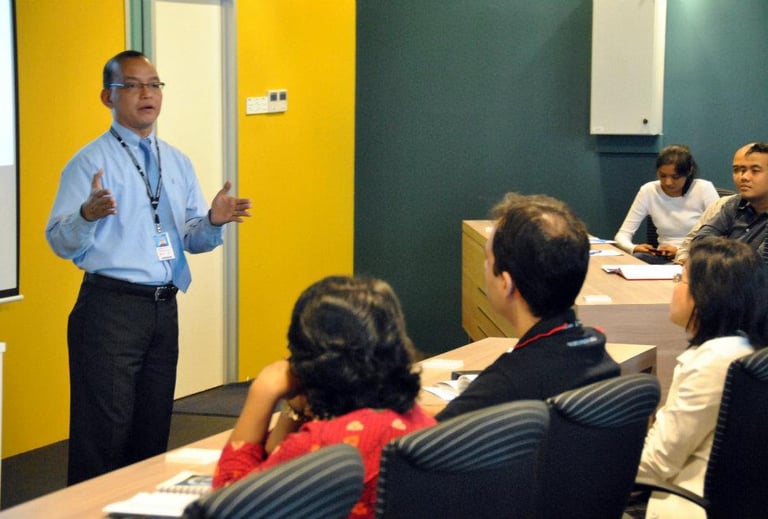


Teaching and Learning in the Age of Artificial Intelligence
Teacher: The New Learning Engineer
The learning engineer (teacher) represents a future-oriented redefinition of teaching. Rather than dispensing information, this educator designs experiences—intellectual, emotional, and ethical—that machines cannot replicate. By engineering inquiry, safety, adaptability, and discernment into the learning environment, teachers prepare students not merely to succeed academically, but to function effectively in a complex, uncertain world. In doing so, they ensure that education remains not only relevant but profoundly human.
Why Depth Matters


Mastery-based learning offers a fundamentally different solution. Instead of fixed time and variable outcomes, it allows time to vary while holding learning outcomes steady. Students may progress at various speeds, but they are all expected to reach a high standard of understanding before advancing. This approach has been popularized in modern education through models such as those used by Khan Academy, which emphasize reaching a high level of proficiency rather than merely “passing” with minimal comprehension. When learners are given the time they need, both confidence and long-term retention improve dramatically.
Assessment as Learning


Assessment for learning also reaches its fullest expression when students themselves become active participants in the process. This is known as assessment as learning, and it centers on metacognition—the ability to reflect on one’s own thinking. Practices such as self-reflection journals encourage students to ask important questions: What was most challenging about this task? How did I overcome it? What would I do differently next time? These moments of reflection help learners build the habits needed for lifelong learning, long after formal instruction has ended.
Architect of the Future


This moment demands a different approach. Instead of viewing learners as passive recipients of knowledge, we must begin to see them as active architects of the future. Education should no longer focus on learning about the world as it exists, but on designing solutions for the world as it should be. That shift—from absorption to creation—changes everything.
When learners are treated as architects, the most important question in education changes. Instead of asking young people, “What do you want to be when you grow up?”, we begin to ask something far more meaningful: “What problem do you want to solve right now?”
Lifelong Learning


The significance of learning through life lies in its power to sustain our humanity. In an era where algorithms predict our preferences and automate our tasks, the act of choosing to learn something new is a radical assertion of freedom. It is an admission that we do not have all the answers—and a declaration that we remain curious enough to seek them together.